
Are you considering tapping into your home’s equity, but unsure about the current state of home equity line of credit rates? You’re not alone. Many homeowners are navigating the complex landscape of heloc interest rates trends to make informed decisions about their financial futures.
Understanding the current heloc interest rates trends is crucial in today’s market. With fluctuations in the economy, it’s essential to stay up-to-date on the latest developments that could impact your financial plans.
As we delve into the world of home equity line of credit rates, we’ll explore what’s driving these changes and what they mean for you.
Key Takeaways
- Current trends in home equity line of credit rates
- Factors influencing heloc interest rates trends
- How to navigate the changing landscape
- Tips for homeowners considering a HELOC
- What to expect in the future
Understanding HELOC Basics and Their Appeal in Today’s Market
HELOCs offer a unique financial solution for homeowners, providing flexibility and potentially lower interest rates compared to traditional loans. This section will explore the fundamentals of HELOCs, their differences from traditional loans, and why they are appealing to homeowners in the current market.
What Is a Home Equity Line of Credit?
A Home Equity Line of Credit (HELOC) is a type of loan that allows homeowners to borrow money using the equity in their home as collateral. It works like a credit card, where you have a revolving balance that you can draw upon as needed, repay, and then draw upon again.
How HELOCs Differ from Traditional Loans
Unlike traditional loans where you receive the entire amount upfront, HELOCs provide a line of credit that you can use at your discretion. This means you only pay interest on the amount you actually borrow, not on the entire credit limit.
The Current Appeal of HELOCs for Homeowners
In today’s market, HELOCs are particularly appealing due to their flexibility and potentially lower interest rates compared to other forms of credit. Homeowners can use HELOCs for various purposes, such as home renovations, consolidating debt, or covering unexpected expenses.
| Feature | HELOC | Traditional Loan |
|---|---|---|
| Repayment Structure | Variable; interest-only payments during draw period | Fixed; equal payments over loan term |
| Interest Rate | Variable, often lower | Fixed or variable |
| Collateral | Home equity | Varies (can be unsecured or secured) |
By understanding the basics of HELOCs and how they differ from traditional loans, homeowners can make informed decisions about whether a HELOC is the right financial tool for their needs.
HELOC Interest Rates Trends: What’s Happening Now
HELOC interest rates are experiencing a notable shift, driven by various economic factors that impact homeowners’ financial decisions. As the real estate market continues to evolve, understanding these trends is crucial for those considering a home equity line of credit.
Recent Rate Movements and Patterns
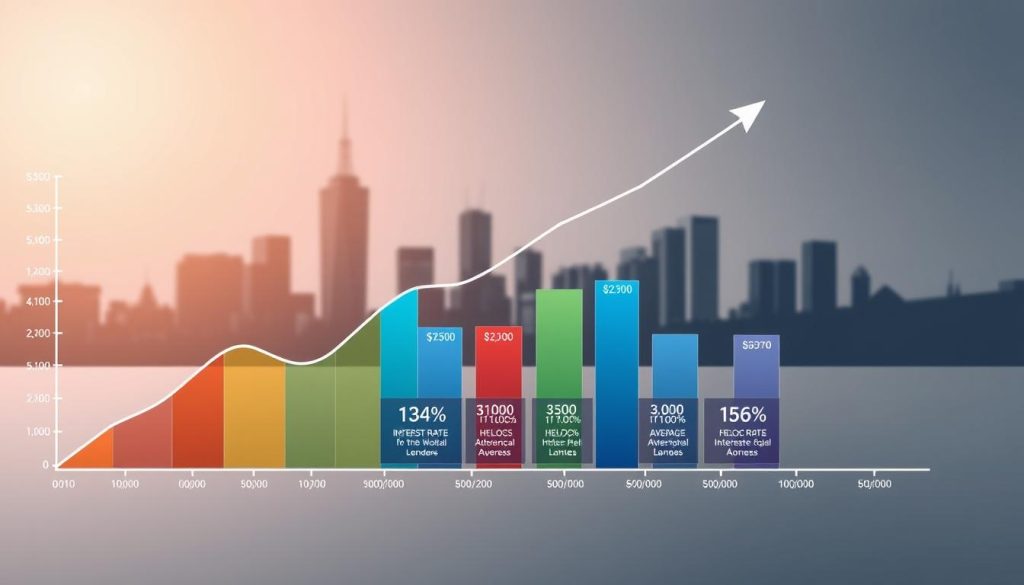
Over the past year, HELOC interest rates have shown a significant increase, largely due to changes in the federal funds rate and overall economic conditions. This upward trend has resulted in variable rate loans becoming more expensive for homeowners.
Recent data indicates that the average HELOC interest rate has risen by approximately 1.5% since the beginning of the year. This shift is primarily attributed to the Federal Reserve’s efforts to manage inflation and stabilize the economy.
Comparison to Historical HELOC Rates
Historically, HELOC interest rates have been relatively low, making them an attractive option for homeowners. However, when comparing current rates to their historical averages, it’s clear that we’re in a different financial landscape.
A review of historical data reveals that HELOC rates are still below their long-term averages. For instance, during the 2008 financial crisis, HELOC rates peaked at around 8%, whereas today, they’re significantly lower, averaging around 6.5%.
Regional Variations Across the United States
The impact of HELOC interest rate changes varies across different regions in the United States. Areas with higher housing costs and more competitive real estate markets tend to have different HELOC rate dynamics compared to regions with lower housing costs.
Prime Rate Influence on HELOC Pricing
The prime rate plays a crucial role in determining HELOC interest rates. As the prime rate changes, lenders adjust their HELOC rates accordingly. This direct correlation means that when the prime rate increases, HELOC rates typically follow suit.
| Region | Average HELOC Rate | Change from Last Year |
|---|---|---|
| Northeast | 6.8% | +1.2% |
| South | 6.3% | +1.0% |
| West Coast | 6.5% | +1.1% |
| Midwest | 6.2% | +0.9% |
In conclusion, understanding the current trends in HELOC interest rates is essential for homeowners and potential borrowers. By analyzing recent rate movements, historical comparisons, and regional variations, individuals can make more informed decisions about their home equity.
Key Factors Influencing Today’s HELOC Rates
Several key factors are driving the fluctuations in HELOC rates today, impacting homeowners’ financial decisions. Understanding these elements is crucial for making informed choices about home equity.
Federal Reserve Policies and Their Impact
The Federal Reserve plays a significant role in shaping HELOC rates through its monetary policies, including setting interest rates and regulating the money supply. Recent rate hikes aimed at combating inflation have directly influenced HELOC rates, making borrowing more expensive.
Housing Market Conditions
The state of the housing market also affects HELOC rates. Regional variations in housing prices and demand can influence lenders’ risk assessments, thereby impacting the rates they offer. In a booming housing market, lenders might offer more competitive rates due to increased equity in homes.
Credit Score Requirements in the Current Climate
Credit scores remain a critical factor in determining the HELOC rates available to homeowners. Lenders typically offer better rates to borrowers with higher credit scores, as these individuals are deemed less risky. The current climate has seen lenders tighten credit requirements, making it more challenging for those with lower credit scores to secure favorable rates.
Loan-to-Value Ratio Considerations
The loan-to-value (LTV) ratio is another crucial factor influencing HELOC rates. Lenders view loans with lower LTV ratios as less risky, as they involve borrowing less relative to the home’s value. Consequently, homeowners with significant equity in their properties may qualify for more favorable HELOC rates.
By understanding these key factors—Federal Reserve policies, housing market conditions, credit score requirements, and LTV ratio considerations—homeowners can better navigate the complexities of HELOC rates and make more informed financial decisions.
How to Secure the Best HELOC Rate in Today’s Market
With economic indicators fluctuating, homeowners must be proactive in finding the best HELOC rates. The current market demands a strategic approach to securing a Home Equity Line of Credit (HELOC) that aligns with your financial goals.
Step 1: Improving Your Credit Profile
A strong credit profile is crucial for obtaining a favorable HELOC rate. Lenders view borrowers with high credit scores as less risky, which can lead to more competitive interest rates.
Specific Actions to Boost Your Score
- Make timely payments on all debts
- Reduce outstanding debt to improve your credit utilization ratio
- Monitor your credit report for errors and dispute them if necessary
Improving your credit score takes time, so it’s essential to start early. By focusing on these actions, you can enhance your creditworthiness and potentially qualify for lower HELOC rates.
Step 2: Shopping Among Multiple Lenders
Don’t settle for the first HELOC offer you receive. Shopping around allows you to compare rates and terms from various lenders, ensuring you find the best deal.
Using Rate Comparison Tools Effectively
Utilize online platforms that compare HELOC rates from multiple lenders. These tools can save you time and help you identify the most competitive offers.
| Lender | HELOC Rate | Fees |
|---|---|---|
| Bank of America | 6.25% | $500 |
| Wells Fargo | 6.50% | $600 |
| Chase Bank | 6.00% | $400 |
Comparing rates and fees across lenders can help you make an informed decision. Consider not just the interest rate, but also other costs associated with the HELOC.
Step 3: Negotiating Terms and Introductory Offers
Once you’ve identified potential lenders, don’t hesitate to negotiate the terms of your HELOC. Some lenders may offer more favorable rates or waive certain fees if you ask.
Negotiation can be as simple as asking if they can offer a better rate or more favorable terms. It’s a step worth taking, as it can lead to significant savings.
Step 4: Timing Your Application Strategically
The timing of your HELOC application can impact the rate you’re offered. Applying when interest rates are generally low can result in a more favorable HELOC rate.

By understanding housing market trends and economic indicators, you can better time your application. This strategic approach can help you secure a HELOC rate that supports your financial objectives.
Optimizing Your Existing HELOC in a Changing Rate Environment
The ever-changing landscape of mortgage interest rates necessitates a proactive approach for those with existing HELOCs. As rates fluctuate, homeowners must consider strategies to optimize their home equity lines of credit to avoid potential financial pitfalls.
Converting Variable-Rate HELOCs to Fixed-Rate Options
One effective strategy is converting variable-rate HELOCs to fixed-rate options. This can provide stability and predictability in monthly payments, shielding homeowners from future rate hikes. It’s essential to review the terms and conditions of the existing HELOC and consult with the lender about available conversion options.
Paying Down Principal During Draw Periods
Another strategy is paying down the principal during the draw period. By reducing the outstanding balance, homeowners can minimize interest charges and lower their overall debt. Making extra payments or lump-sum payments can be particularly effective in managing the HELOC debt.
Refinancing Your HELOC
Refinancing is also a viable option for optimizing an existing HELOC. Homeowners can refinance to secure a better interest rate, change the loan terms, or switch from a variable to a fixed rate. It’s crucial to assess the costs associated with refinancing and determine if the benefits outweigh the expenses.
Protecting Yourself from Future Rate Increases
To protect against future rate increases, homeowners can consider rate caps or collars. These financial instruments can limit the maximum interest rate payable on a variable-rate HELOC. Additionally, staying informed about HELOC trends and market forecasts can help homeowners make timely decisions.
By implementing these strategies, homeowners can effectively manage their existing HELOCs and navigate the challenges posed by a changing rate environment.
Conclusion: Navigating HELOC Decisions in Today’s Economic Landscape
Understanding current home equity line of credit rates is crucial for homeowners looking to tap into their home’s equity. As discussed, recent trends and analysis show that HELOC rates are influenced by various factors, including Federal Reserve policies and housing market conditions.
To make informed decisions, it’s essential to stay up-to-date on financial forecasting and adjust your strategy accordingly. By improving your credit profile, shopping among multiple lenders, and timing your application strategically, you can secure the best HELOC rate available.
As the economic landscape continues to evolve, being proactive and prepared will help you navigate the complexities of HELOCs. By applying the knowledge gained from this article, you’ll be better equipped to make the most of your home equity and achieve your financial goals.
FAQ
What is the current average HELOC interest rate?
The current average HELOC interest rate varies depending on factors like credit score, loan-to-value ratio, and market conditions. You can check the latest rates on financial websites or consult with lenders for the most up-to-date information.
How do HELOC interest rates compare to mortgage rates?
HELOC interest rates are often comparable to mortgage rates, but can be influenced by different factors, such as the prime rate and lender policies. Generally, HELOC rates tend to be slightly higher than mortgage rates.
Can I negotiate my HELOC interest rate with lenders?
Yes, it’s possible to negotiate your HELOC interest rate with lenders, especially if you have a good credit profile or are willing to commit to a larger loan. Shopping around and comparing rates from multiple lenders can also help you secure a better deal.
How do changes in the Federal Reserve’s policies affect HELOC rates?
Changes in the Federal Reserve’s policies, such as raising or lowering the federal funds rate, can influence HELOC rates. When the Fed raises rates, HELOC rates tend to increase, and when they lower rates, HELOC rates may decrease.
What is the impact of my credit score on my HELOC interest rate?
Your credit score plays a significant role in determining your HELOC interest rate. A higher credit score can qualify you for lower interest rates, while a lower credit score may result in higher rates or less favorable terms.
Can I convert my variable-rate HELOC to a fixed-rate loan?
Yes, some lenders offer the option to convert a variable-rate HELOC to a fixed-rate loan. This can provide more stability and predictability in your payments, but may involve fees or other terms to consider.
How do I protect myself from potential rate increases on my HELOC?
To protect yourself from potential rate increases, consider converting to a fixed-rate loan, making extra payments to reduce your principal balance, or monitoring market conditions to refinance or adjust your loan terms as needed.