
Can a less-than-perfect financial history stop you from achieving your dream of owning a home? The answer lies in understanding the importance of credit scores in the mortgage approval process.
A good credit score can significantly improve your chances of getting approved for a mortgage. But what constitutes a good credit score, and how do lenders view it?
Lenders use credit scores to assess the risk of lending to a borrower. A higher score indicates a lower risk, making it more likely for the lender to approve the mortgage application.
Key Takeaways
- Understanding credit scores is crucial for mortgage approval.
- A good credit score can improve mortgage application chances.
- Lenders use credit scores to assess lending risk.
- A higher credit score indicates lower lending risk.
- Credit scores play a significant role in the mortgage approval process.
Understanding Credit Scores and Their Impact on Mortgage Approval
Understanding your credit score is crucial when applying for a mortgage. It’s a critical factor that lenders consider when evaluating your loan application. A good credit score can significantly improve your chances of approval and help you secure a favorable interest rate.
How Credit Scores Are Calculated
Credit scores are calculated based on several factors, including your payment history, credit utilization, length of credit history, and new credit inquiries. Payment history accounts for 35% of your score, making it the most significant factor. Maintaining a good payment history and keeping credit utilization below 30% can positively impact your score.
Why Credit Scores Matter to Mortgage Lenders
Credit scores matter to mortgage lenders because they help assess the risk of lending to a borrower. A higher credit score indicates a lower risk, making it more likely for you to be approved for a mortgage. Lenders use credit scores to determine the likelihood of repayment and to set interest rates accordingly. A good credit score can lead to better loan terms, saving you money over the life of the loan.
The Credit Score Needed for a Mortgage: Minimum Requirements
The minimum credit score needed for a mortgage varies significantly depending on the loan type. Borrowers have several mortgage options, each with its own set of credit score requirements.
Conventional Loans: 620+ Minimum
Conventional loans typically require a minimum credit score of 620. Borrowers with higher scores may qualify for better interest rates and terms. A score above 700 is generally considered good, and scores above 800 are considered excellent.
FHA Loans: 500-580 Minimum
FHA loans offer more lenient credit score requirements. While some lenders may accept scores as low as 500, a score of 580 is typically required to qualify for the best interest rates and terms. Borrowers with lower scores may need to make a larger down payment.
VA and USDA Loans: Flexible Requirements
VA loans, available to veterans and active military personnel, and USDA loans, for borrowers in rural areas, often have more flexible credit score requirements. While there isn’t a strict minimum score, lenders may still evaluate creditworthiness based on other factors.
| Loan Type | Minimum Credit Score |
|---|---|
| Conventional | 620+ |
| FHA | 500-580 |
| VA/USDA | Flexible/No minimum |
Understanding these minimum credit score requirements can help borrowers choose the most suitable loan type based on their credit profile.
How Credit Scores Affect Mortgage Interest Rates
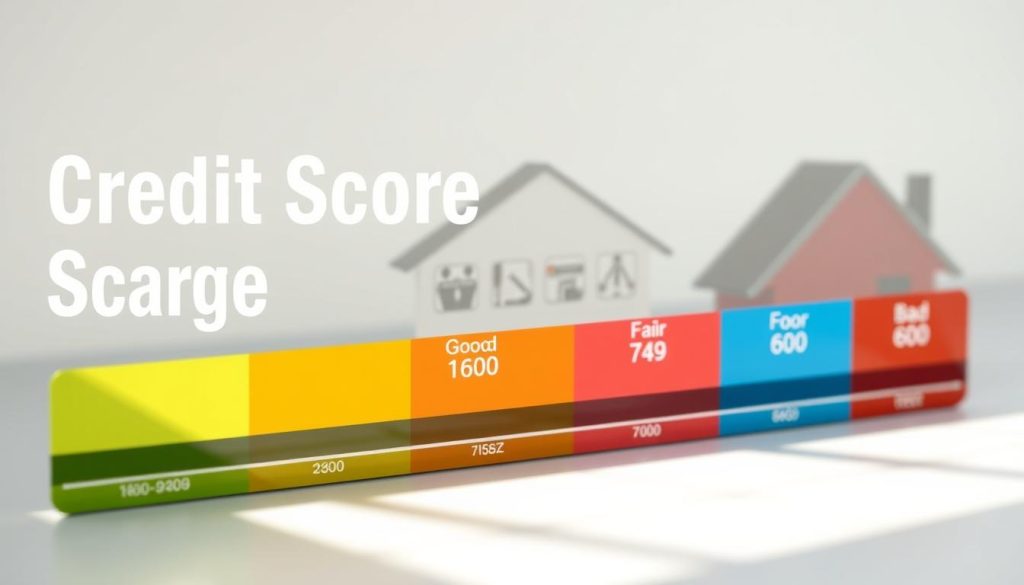
Your credit score plays a significant role in determining the interest rate you’ll qualify for when applying for a mortgage. Lenders use credit scores to assess the risk of lending to you, and a higher score can lead to a more favorable interest rate. This is because a high credit score indicates to lenders that you’re more likely to repay the loan on time.
A better credit score can save you thousands over the life of the loan by qualifying you for lower interest rates. For instance, a credit score of 760 or higher typically qualifies for the best interest rates available.
Rate Differences Between Credit Score Tiers
Credit scores are usually categorized into tiers, with each tier corresponding to a different interest rate. For example, borrowers with excellent credit scores (above 740) might qualify for an interest rate of 3.5%, while those with good credit scores (700-739) might be offered 3.75%. Meanwhile, borrowers with fair or poor credit scores might face significantly higher rates, often above 4.5% or even higher.
How Higher Scores Save You Money Over Time
Having a higher credit score can lead to significant savings over the life of the mortgage. For instance, on a $300,000 mortgage, a difference of just 0.5% in the interest rate can save you over $10,000 in interest payments over 10 years. By maintaining a good credit score, you can ensure you’re getting the best possible rate, making homeownership more affordable in the long run.
Credit Score Ranges and Your Mortgage Options
Understanding the various credit score ranges is crucial for determining your mortgage options. Your credit score is a key factor that lenders consider when evaluating your mortgage application.
Credit scores are categorized into different ranges, each with its implications for mortgage approvals and terms.

Excellent Credit (740+): Best Rates and Terms
Having an excellent credit score above 740 can qualify you for the best mortgage rates and terms. Lenders view you as a low-risk borrower, offering you more favorable conditions.
Good Credit (700-739): Solid Options
A good credit score between 700 and 739 still offers solid mortgage options. While you might not get the absolute best rates, you’ll have access to competitive offers.
Fair Credit (650-699): Limited Options
With a fair credit score ranging from 650 to 699, your mortgage options become limited. You may face higher interest rates or stricter terms.
Poor Credit (580-649): Challenging but Possible
Having a poor credit score between 580 and 649 makes it challenging to secure a mortgage. However, it’s not impossible. You may need to consider alternative lenders or government-backed loans.
Beyond Credit Scores: Other Factors Affecting Mortgage Approval
While a good credit score is essential for mortgage approval, it’s not the only factor lenders consider. Other critical elements play a significant role in determining your mortgage eligibility.
Debt-to-Income Ratio
Your debt-to-income (DTI) ratio is a crucial factor in mortgage approval. It represents the percentage of your monthly gross income that goes towards paying debts. Lenders typically prefer a DTI ratio of 36% or less, though some mortgage programs allow higher ratios. A lower DTI ratio indicates a more manageable debt burden and improves your chances of approval.
Employment History and Income Stability
Lenders assess your employment history and income stability to ensure you have a reliable source of funds to repay the mortgage. A steady job with a consistent income enhances your mortgage application. Self-employed individuals may need to provide additional documentation to demonstrate income stability.
Down Payment Amount
The amount you can put down on a house also impacts mortgage approval. A larger down payment reduces the loan-to-value ratio, making the loan less risky for the lender. It can also help you qualify for better interest rates and avoid private mortgage insurance (PMI) in some cases.
Steps to Improve Your Credit Score Before Applying for a Mortgage
Before applying for a mortgage, it’s essential to take steps to improve your credit score. A better credit score can help you qualify for more favorable mortgage terms, including lower interest rates and lower fees.
Check Your Credit Reports for Errors
Start by reviewing your credit reports for any errors or inaccuracies. You can request a free credit report from the three major credit bureaus: Equifax, Experian, and TransUnion. Dispute any errors you find, as correcting them can help improve your credit score.
Pay Down Existing Debt
Paying down existing debt is another effective way to improve your credit score. Focus on reducing high-interest debt first, such as credit card balances. Keeping your credit utilization ratio below 30% can positively impact your credit score.
Make All Payments on Time
Your payment history accounts for a significant portion of your credit score. Making all payments on time is crucial. Set up payment reminders or automate your payments to ensure you never miss a payment.
Avoid Opening New Credit Accounts
Avoid opening new credit accounts or applying for new credit cards before applying for a mortgage. New credit inquiries can temporarily lower your credit score.
Consider Credit Counseling Services
If you’re struggling to manage your debt or improve your credit score, consider seeking help from credit counseling services. These professionals can provide personalized advice and help you develop a plan to improve your credit score.
By following these steps, you can improve your credit score and increase your chances of qualifying for a mortgage with favorable terms.
Special Mortgage Programs for Lower Credit Scores
Borrowers with lower credit scores can still achieve their dream of homeownership through special mortgage programs. These programs are designed to provide more lenient qualification criteria, making it easier for individuals with less-than-perfect credit to secure a mortgage.
Several mortgage options are available for borrowers with lower credit scores. These include FHA loans, portfolio loans, non-QM options, and first-time homebuyer programs.
FHA Loans for Credit-Challenged Borrowers
FHA loans are a popular choice for borrowers with lower credit scores. The minimum credit score for FHA loan can be as low as 500, although a score of 580 is typically required for the best terms. FHA loans offer more lenient credit score requirements compared to conventional loans, making them an attractive option for credit-challenged borrowers.
Portfolio Loans and Non-QM Options
Portfolio loans and non-QM (non-qualified mortgage) options provide alternative paths to mortgage approval. These loans are often held in the lender’s portfolio and may have more flexible qualification criteria. While they may come with higher interest rates or fees, they can be a viable option for borrowers who don’t qualify for traditional mortgages.
First-Time Homebuyer Programs
First-time homebuyer programs can provide assistance and more favorable terms for those new to homeownership. These programs often offer lower down payment requirements, reduced interest rates, or other benefits. They can be an excellent option for borrowers with lower credit scores who are purchasing a home for the first time.
By exploring these special mortgage programs, borrowers with lower credit scores can increase their chances of securing a mortgage and achieving their goal of homeownership.
Conclusion: Taking the Next Steps Toward Homeownership
Understanding the credit score needed for a mortgage is crucial in the homebuying process. A good credit score for a home loan can significantly impact your mortgage approval and interest rates. By maintaining a healthy credit score, you can access better loan terms and lower interest rates, making homeownership more affordable.
To achieve your dream of owning a home, focus on improving your credit score by checking your credit reports, paying down debt, and making timely payments. Explore different mortgage options, such as conventional, FHA, VA, and USDA loans, to find the best fit for your situation. If you have a lower credit score, consider special mortgage programs designed for credit-challenged borrowers.
By taking these steps, you can confidently move forward in your journey to homeownership. With the right credit score and mortgage option, you’ll be well on your way to securing the home of your dreams.
FAQ
What is the minimum credit score needed for a mortgage?
The minimum credit score needed for a mortgage varies depending on the type of loan. For conventional loans, a score of 620 or higher is typically required. FHA loans can have lower minimum credit score requirements, sometimes as low as 500, though 580 is more common for better terms.
How do credit scores affect mortgage interest rates?
Credit scores significantly impact mortgage interest rates. Borrowers with higher credit scores typically qualify for lower interest rates, which can save them money over the life of the loan.
What credit score is considered good for a home loan?
A good credit score for a home loan is generally considered to be 700 or higher. Scores above 740 are considered excellent and can qualify for the best rates and terms.
Can I get a mortgage with a credit score of 580?
Yes, it is possible to get a mortgage with a credit score of 580. FHA loans, for example, can be obtained with a credit score as low as 580, though the terms may not be as favorable as those offered to borrowers with higher credit scores.
What are the credit score requirements for FHA loans?
FHA loans have more lenient credit score requirements. While the minimum credit score can be as low as 500, a score of 580 is typically required for better terms, such as a lower down payment.
How can I improve my credit score before applying for a mortgage?
To improve your credit score, check your credit reports for errors, pay down existing debt, make all payments on time, and avoid opening new credit accounts. Considering credit counseling services can also be beneficial.
Are there mortgage options available for borrowers with poor credit?
Yes, there are mortgage options available for borrowers with poor credit. Special programs such as FHA loans, portfolio loans, and non-QM options can provide alternative paths to mortgage approval.
What other factors besides credit score affect mortgage approval?
Besides credit score, other factors that affect mortgage approval include debt-to-income ratio, employment history, income stability, and down payment amount. Lenders assess these factors to determine the risk of lending to a borrower.